
Flight training, aircraft maintenance, and a career pathway.
Three connected programs — each built on the same safety-first foundation, from a student's first discovery flight to a career on the flight deck or the flight line.
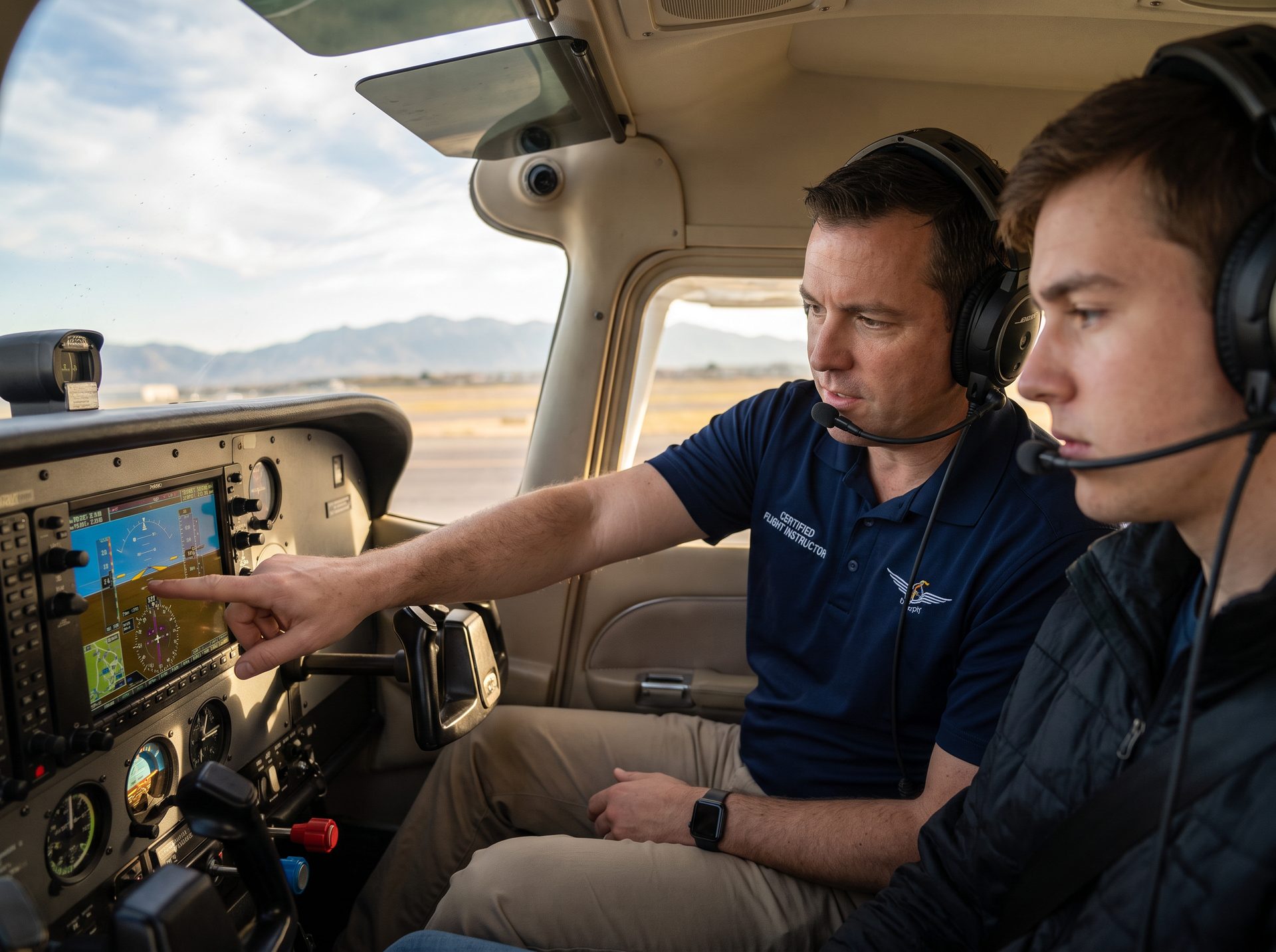
Flight Training
Private through Commercial, with a CFI track beyond
Training begins under 14 CFR Part 61, giving students flexible scheduling as they progress through Private Pilot, Instrument Rating, and Commercial Pilot certification. A Part 141 Pilot School certificate application is in progress — once approved, it will reduce minimum training hours for structured, full-time students.
- Standardized stage checks before solo, cross-country, and every checkride
- Mountain airmanship — density altitude, terrain, and weather minimums above FAA limits — taught from day one
- All CFIs hold current CFI/CFII credentials and complete an annual standardization refresher
- Cirrus transition training led by CSIP-certified instructors
Training hour comparison
Swipe to see all columns →
| Certificate | Part 61 (current) | Part 141 (pending approval) |
|---|---|---|
| Private Pilot | 40 hours minimum | 35 hours minimum |
| Instrument Rating | 40 hrs + 50 hrs cross-country PIC | 35 hours minimum |
| Commercial Pilot | 250 hours minimum | 190 hours minimum |
Most students complete the Private Pilot certificate in 60–75 total flight hours. Part 141 figures apply once NUAA's certificate application is approved.
Training Fleet
Three aircraft, one training progression
Swipe to see all columns →
| Aircraft | Used for | Engine | Cruise speed | Range | Avionics |
|---|---|---|---|---|---|
| Cessna 172S Skyhawk | Private & Instrument | Lycoming IO-360-L2A, 180 hp | 124 KTAS | 640 NM | Garmin G1000 NXi |
| Piper Archer TX | Private, Instrument & Commercial | Lycoming IO-360-B4A, 180 hp | 128 KTAS | 522 NM | Garmin G1000 NXi |
| Cirrus SR22 | Instrument, Commercial & Transition | Continental IO-550-N, 310 hp | 183 KTAS | 1,169 NM | Cirrus Perspective+ with CAPS |
The fleet grows through our aircraft leaseback program — see Partnerships & Facilities for details.
Aircraft Maintenance
A career on the flight line, not just the flight deck
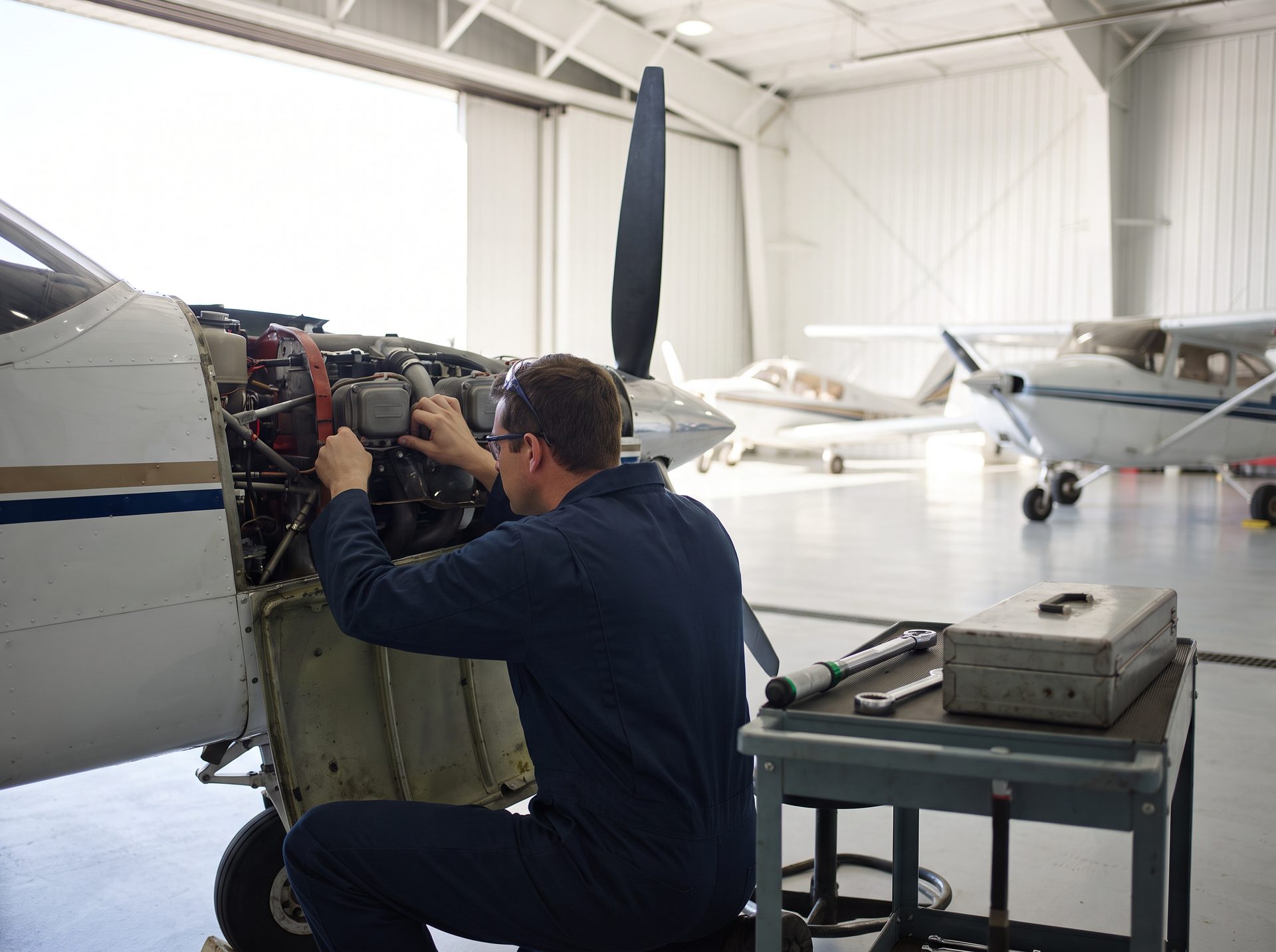
NUAA is developing an FAA Part 147-aligned Aviation Maintenance Technician program, pairing classroom instruction with hands-on work on our own training fleet. The program is designed to prepare students for FAA Airframe & Powerplant (A&P) certification and a career in aircraft maintenance and repair.
- Working toward FAA Part 147 Aviation Maintenance Technician School (AMTS) approval
- Hands-on training on 100-hour inspections, annual inspections, and AD compliance
- Direct exposure to Cessna, Piper, and Cirrus piston aircraft systems
- Pathway into NUAA's own maintenance and repair operation (MRO)
University Pathway
A degree-integrated route to the professional flight deck
NUAA is developing a turnkey, credit-bearing collegiate flight training partnership with an accredited Utah university. In this model, NUAA holds the FAA training certificate, aircraft, and instructor cadre, while the university contributes curriculum integration, faculty oversight, and federal financial aid access for enrolled students.
The pathway is modeled on proven university-integrated professional pilot degree programs at peer institutions nationally, and is being built toward Restricted ATP eligibility for graduates. Formal program details will be announced as agreements with our university partner are finalized.
Study Tool
CheckrideReady: AI mock oral exams
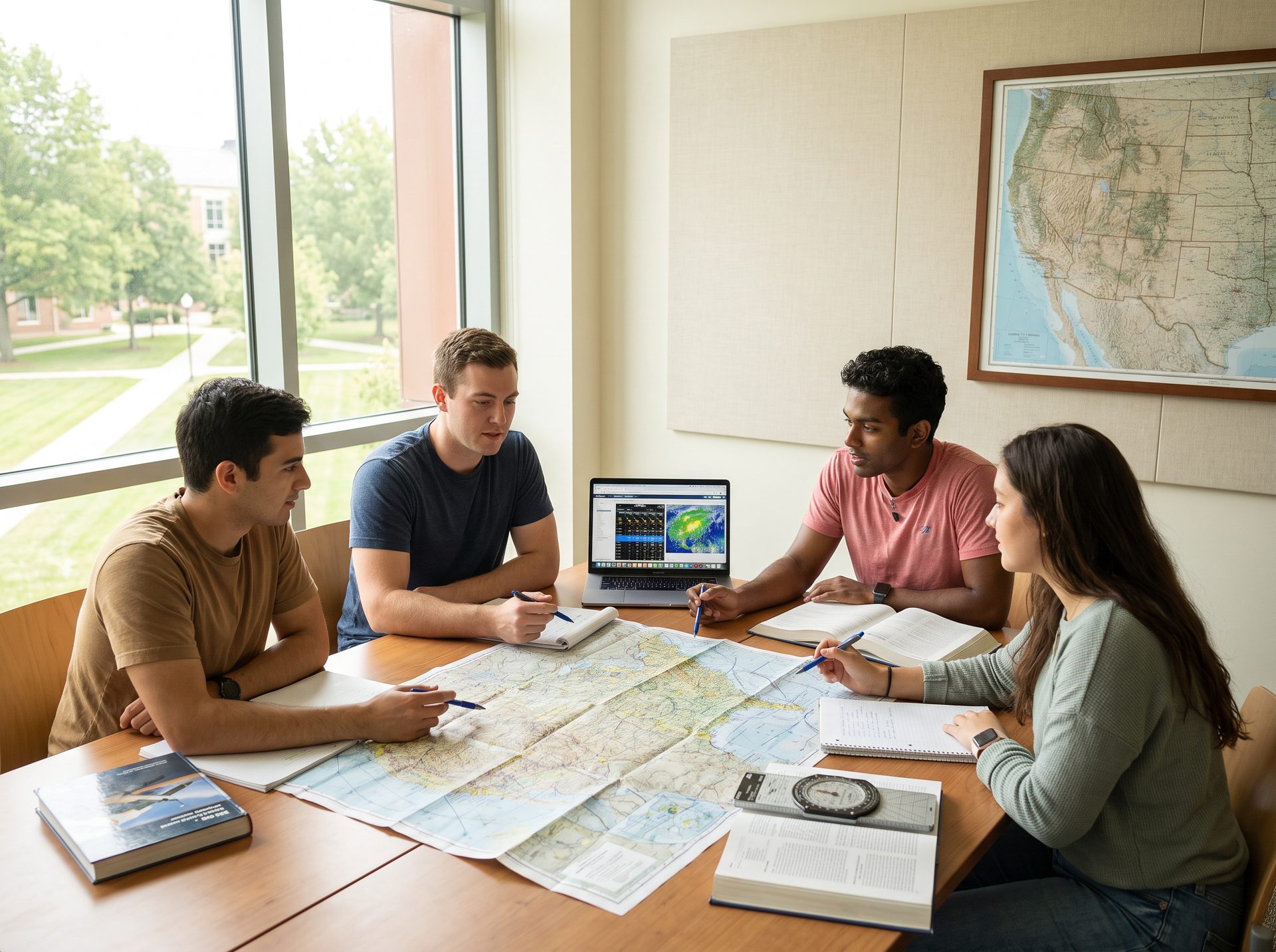
Our checkride prep app asks scenario-based questions from the FAA Airman Certification Standards, grades each answer like an examiner, and builds a study plan around weak ACS tasks. Available for Private, Instrument, Commercial, CFI, and A&P General.
See CheckrideReady plans
Have a question about a specific program?
Reach out and we'll walk you through timelines, cost, and how each track fits your goals.